Original guide SOURCING & CRITERIA
How to prepare a vintage football shirt sourcing brief
The right shirt also needs to meet your fit, condition and budget requirements. Organise those limits before starting the search.
A useful sourcing brief says which football shirt you want, which requirements are essential and what alternatives you would consider. Add size or measurements, acceptable condition, budget with currency and delivery country. Mark missing information as “to confirm”. This gives you a way to compare candidates with your goal, without mistaking a similar reference for an item you have decided to buy.
1. Identify the shirt you want
Record the team, season and kit: home, away, third or another version. Include a photo or link and explain what it shows: your target design, a particular detail or a listing that is no longer available. A reference image does not establish that an item is still for sale.
State whether you want a shirt made during the original period or would consider a later reissue. Record name, number and patch preferences separately. If the year or version is uncertain, keep that question in the brief instead of assuming the reference caption is correct.
2. Separate essentials from alternatives
An alternative should reflect your own decision. You might accept another label size only if the measurements work, while ruling out any different season. You do not need to relax every requirement. Use this blank table to state each limit and when you would review another option.
| Detail | Must have | Alternative I would consider |
|---|---|---|
| Team, season and kit | ______ | ______ / none |
| Version and print details | ______ | ______ / to confirm |
| Size or measurements | ______ | Only if: ______ |
| Condition and accessories | ______ | I would accept: ______ |
If few options appear, reconsider one condition at a time and retain the others. “Show me this alternative too” expands what you want to examine; it does not authorise buying it.
3. Explain your fit and condition requirements
Alongside label size, share measurements from a shirt that fits as you want: pit-to-pit width and length in centimetres, with their measurement points. Compare garments using the same method. The vintage shirt measurement guide explains how to prepare this reference without relying on the size letter alone.
For condition, replace “good” with what you would accept and what you would reject. Separate fabric, crest, sponsor and nameset; acceptable wear in one area may not be acceptable in another. Use the condition recording guide. If an important area has no photo, mark it as undocumented.
4. Define budget coverage and destination
Give a range, its currency and whether it covers one shirt or several. Say whether it is for the item alone or should cover delivery to your country. When comparing proposals, identify what each includes across these cost groups:
- The item: seller price and delivery within China, where applicable.
- The service: agreed sourcing or purchase-assistance charges.
- Checks: arrival checks and an external assessment, if agreed.
- Delivery: packing, consolidation, international shipping and applicable destination charges.
Include the delivery country from the start. If a date matters, explain it so feasibility can be checked; stating it does not confirm a deadline. Amounts that depend on packing or other unresolved details should remain labelled as estimates or pending, rather than being presented as a confirmed total.
5. Compare each candidate before deciding
Keep each listing and its answers together so photos of similar shirts do not get mixed. The photos to request before buying checklist helps complete the evidence for a particular candidate. Then summarise your decision with a record like this:
| Candidate or link | Matches / still to confirm | My next decision |
|---|---|---|
| ______ | Requirements met: ______ | Request more information: ______ |
| ______ | Open details or differences: ______ | Consider alternative / reject: ______ |
| ______ | Item and costs reviewed: ______ | Purchase confirmation pending: ______ |
Distinguish a seller’s statement, what a photo shows and an external assessment. If you need that assessment, agree its provider and scope. Before authorising a purchase, confirm the exact item, differences you accept, charges and available terms. Finding a candidate does not confirm availability or resolve unknown details.
6. Take your brief into the conversation
Open the shirt sourcing chat template, copy it and complete it in WhatsApp or Telegram with your references and priorities. Leave unknown details as “to confirm”. Review the message and send it yourself when ready; there is no website form to complete.
Read about the jersey sourcing service for the scope agreed before starting, including what happens if no suitable option appears. Sharing a brief starts the conversation; purchasing and shipping require their own confirmations.
Search for the design and product line separately
An enquiry may concern football, basketball, American football, hockey or baseball. Record the team, design season, brand and product line if known; add the exact listing wording or a reference link. If the line is unknown, mark it pending rather than choosing a term because it sounds more exclusive.
Separate essential requirements from acceptable alternatives: period original or reissue, size or measurements, wear or display, acceptable additions and budget. A reissue of an old design is not an item manufactured in that period. One brand’s product-line names should not be transferred to another sport.
Continue with: Authentic, Replica and reissue.
References informing these questions: Fanatics / NHL(联合发布,Fanatics Inc 刊载); NBA Store(页脚注明由 Fanatics 代表 NBA 运营); MLB Shop; Nike; adidas.
Additional questions from communities and videos: u/urrax9(原帖);u/mdwsta4(术语讨论). Research used text or captions; archived records do not verify a thread’s current state. These are not site customers, demand statistics or evidence about our garments.
7. Sources and scope
This guide responds to specific problems in three public discussions: an Italian club shirt request combines measurements, unacceptable defects and shipping costs; a search for less common national-team kits raises version, size and destination obstacles; and a Boca supporter seeks a shirt they missed, but the size of a suggested option does not work.
These are individual experiences reviewed during research, not evidence of current stock, current seller policies or general demand. The tables are original editorial tools for organising a search; they do not describe completed orders or authenticate shirts.
PANDABUY JERSEYS
Give your next search a clear starting point.
Separate must-haves from details you would change. Bring your reference, budget and delivery country to the chat before reviewing options.
BLOG · THE COLLECTOR’S NOTEBOOK
Keep reading
Original guide
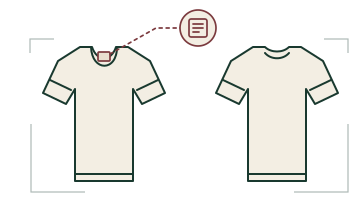
Photos to request before buying a vintage football shirt
A practical photo and question checklist for comparing a listing with the shirt you want to buy.
Read the guide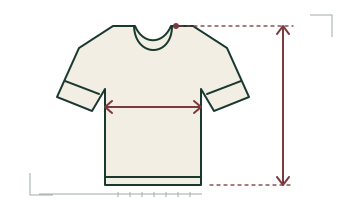
Original guide
How to measure a vintage football shirt before buying
A size label is a starting point. Compare measurements taken the same way before choosing a shirt.
Read the guide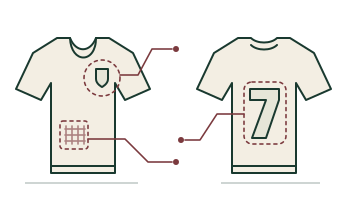
Original guide
Used football shirt condition: fabric, crest, sponsor and nameset
“Good condition” leaves questions open. Record each area, its evidence and what you accept before proceeding.
Read the guide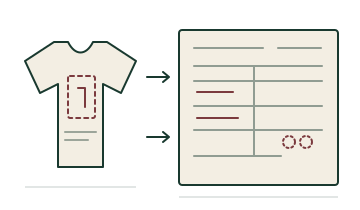
Original guide
A collection record: the shirt, nameset and open questions
One record per item to separate observations, seller statements and what remains unknown. Use it before buying and when agreeing arrival checks.
Read the guide
Original guide
Consolidating jerseys: what to check before sealing the package
A checklist to separate arrived items, unresolved questions and packing decisions before shipping several jerseys together.
Read the guide